Earbuds That Translate in Real Time vs. Pocket Translators

When you travel abroad or conduct international business, language barriers often are a challenge. Fortunately, modern technology offers practical solutions. Today, cross-language communication tools generally fall into two main categories: real-time translator earbuds and handheld pocket translators. Many people struggle to decide which option is the right fit for them.
Both devices have unique benefits. This article explores the real-world user experience of each format. By understanding their distinct features, you can make an informed choice based on your specific daily routines and travel habits.
The Core Differences in Design Logic
To choose the right device, it helps to understand the design logic behind each tool. Translator earbuds focus on making conversations feel natural. They deliver translated audio directly into your ear, meaning you do not need to pass a device back and forth.
For example, the Timekettle W4 Pro features a One-on-One mode designed for face-to-face chats. Two people each wear one earbud and speak their native languages. The translation is delivered in real time. This design frees your hands, helps you maintain eye contact, and keeps the natural rhythm of a conversation intact.
Handheld pocket translators operate on a different logic. They are designed to complete translation tasks independently. A pocket translator is a standalone device with a built-in screen, camera, speaker, and data connection. Users take turns speaking into the device, and the screen displays the text while playing the audio aloud. The main goal here is to provide a complete, all-in-one tool. It can handle voice translation, read restaurant menus via the camera, and work well without relying on a smartphone. These differing design goals mean the two devices suit different situations.
The Advantages of Translator Earbuds

The most significant advantage of translator earbuds is the uninterrupted conversational experience. In scenarios that require back-and-forth dialogue, such as business negotiations, deep chats with locals, or family dinners, earbuds allow people to communicate smoothly. You do not have to wait for one person to finish speaking before handing a device over. The W4 Pro’s One-on-One mode is built specifically for this. With both parties wearing an earbud, these earbuds that translate in real time enable seamless bidirectional conversion without requiring manual operation.
Another easily overlooked benefit of translator earbuds is their everyday usefulness. Unlike single-purpose devices, translator earbuds rarely gather dust in a drawer. The W4 Pro offers much more than standard face-to-face translation. It includes an AI Memo feature to automatically generate meeting summaries. Its open-ear design remains comfortable for all-day wear. It provides up to 6 hours of continuous translation on a single charge and up to 20 hours with the charging case.

Furthermore, earbuds like the W4 Pro excel in remote communication. You can speak your native language during an international phone call or virtual meeting, and the person on the other end hears the translated audio. The other person does not even need to download an app or use special equipment. This is a feature that handheld pocket translators simply cannot replicate.
The Limitations of Translator Earbuds
While earbuds offer a natural speaking experience, they do have a few limitations. First, they must work alongside a smartphone. If your phone runs out of battery, the earbuds lose their translation capabilities.
Additionally, translator earbuds lack a camera. They cannot visually translate menus, street signs, or instruction manuals. This is a natural limitation of the earbud format. If visual translation is a priority for your trip, a pocket translator or a smartphone camera app will be necessary.
Finally, certain earbud features require the other person's cooperation. Sharing an earbud works very well in a business meeting. However, asking a stranger on the street to wear an earbud to give quick directions might feel a bit awkward compared to simply holding out a pocket device.
The Advantages of Pocket Translators

Pocket translators stand out because they operate independently. They feature their own screens, cameras, and data connections. You do not need to link them to a smartphone, which is particularly helpful if you want to conserve your phone’s battery during a long day of sightseeing.
They also provide a very complete set of translation features. The built-in camera allows you to easily read foreign text on menus or street signs. The screen displays the translated text clearly, allowing both parties to read along if the audio is hard to hear in a noisy environment.
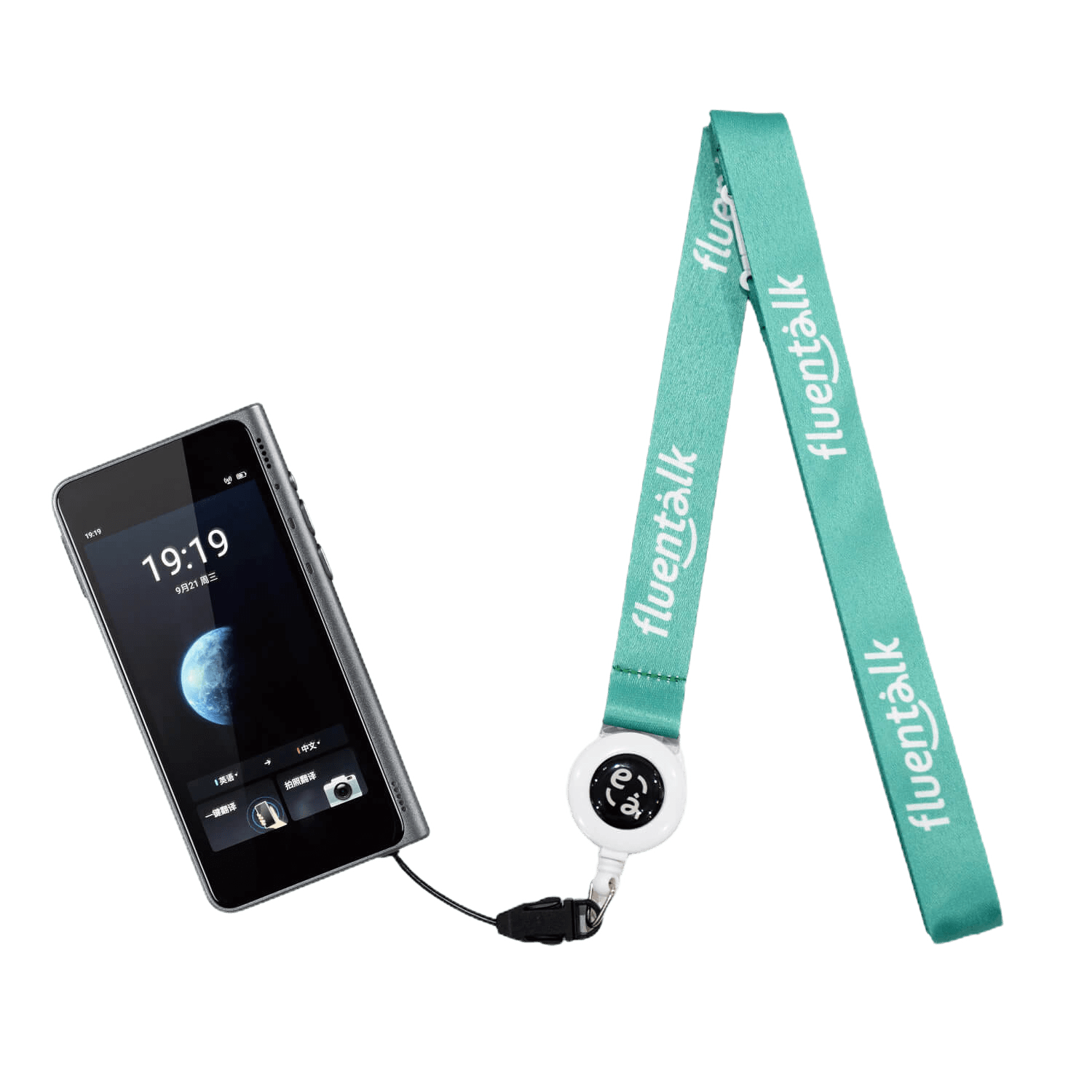
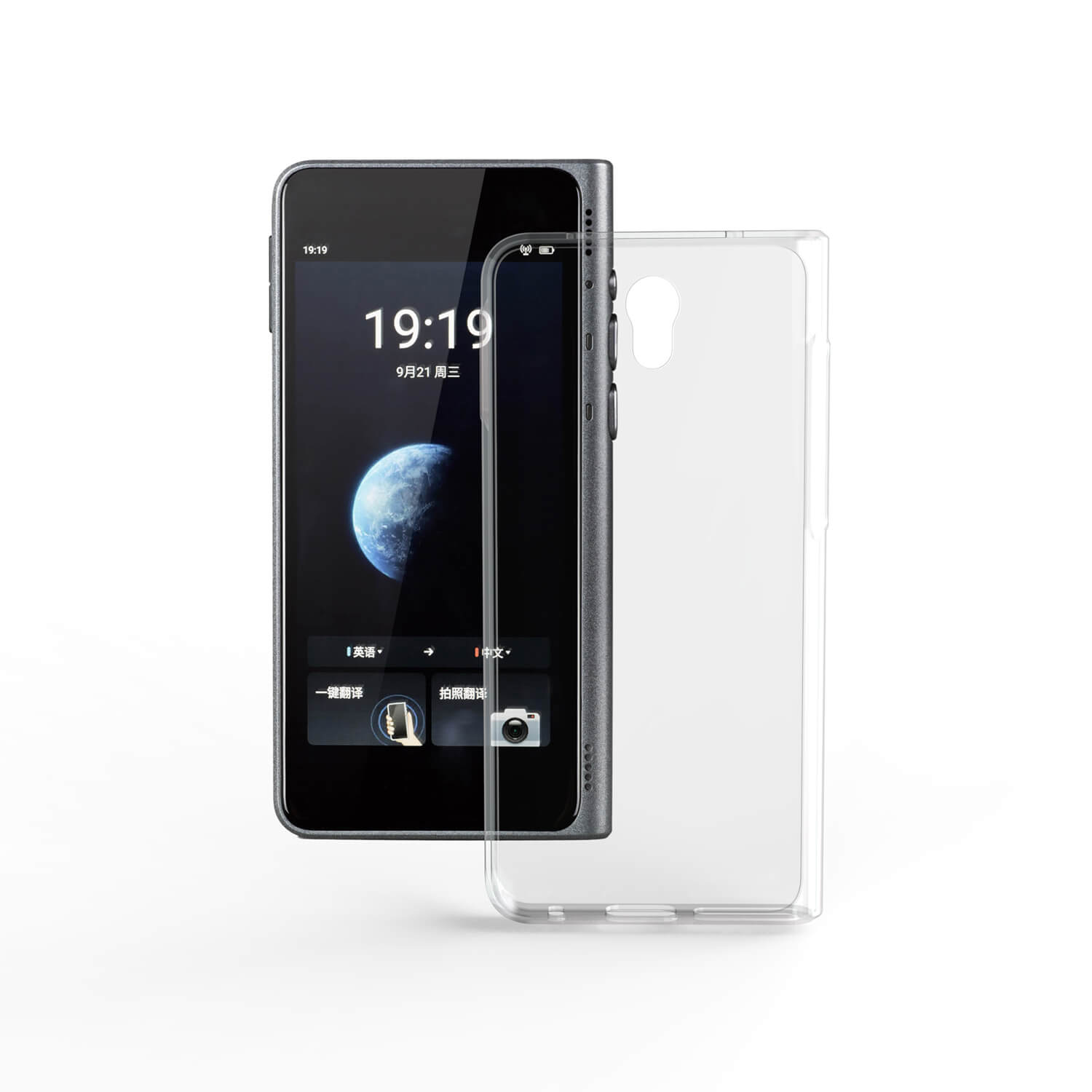
Moreover, pocket translators generally offer strong offline capabilities. Devices like the Timekettle T1 are designed for travelers heading off the grid. The T1 supports 44 offline language pairs and uses edge AI technology to deliver offline translations with very low delay and high accuracy. This makes it a reliable companion in areas with poor or no internet coverage.
The Limitations of Pocket Translators
The primary drawback of a pocket translator is its effect on the flow of conversation. During a longer discussion, users must pass the device back and forth. This process clearly interrupts the natural rhythm of speech and can make it harder to maintain eye contact or share natural body language.
Pocket translators also tend to be single-purpose items. They do not play music or handle regular phone calls. For many users, the device might sit unused in a cabinet once the vacation is over. Additionally, while they are relatively small, they still represent an extra piece of gear to carry around. Travelers who prefer packing light might find this inconvenient compared to earbuds.
Making the Right Choice
Translator earbuds and pocket translators do not replace one another. Earbuds solve the problem of conversational flow and everyday convenience. Pocket translators solve the need for independent operation and visual translation.
You should consider earbuds that translate in real time if you need smooth and deep conversations. Business professionals may lean toward the W4 Pro for its meeting and phone call translation features. Travelers looking for strong battery life and everyday value might prefer the M3. On the other hand, you should choose a pocket translator if you frequently need to read foreign signs, expect to travel without reliable internet, or simply prefer a dedicated screen device that saves your phone battery. To make the best choice, simply think about the specific translation scenarios you encounter most often.