Using Speech Translation In-Person for Frontline Workers with Timekettle

In today's fast-paced industries like manufacturing, construction, warehousing, and healthcare, frontline teams are more diverse than ever. You've probably seen it on your own shop floor or site: workers from different backgrounds bringing incredible skills and dedication, but sometimes struggling to communicate clearly. Imagine a safety briefing where a key instruction gets misunderstood, or a quick question on the assembly line that turns into a 10-minute back-and-forth. These aren't rare hiccups, they're daily realities for many managers overseeing multilingual workforce communication.
The Real Costs of Language Barriers in Frontline Operations

Language barriers aren't just inconvenient, they hit your bottom line hard. A January 2025 study commissioned by Relay, a frontline communications platform, surveyed 200 professionals in manufacturing and warehousing and found that the average industrial business loses $486,078 per year in hidden labor costs due to on-the-job translation needs and related inefficiencies. Bilingual employees often spend hours each week acting as informal interpreters, pulling them away from their core tasks.
But it's not just about money. Safety is on the line too. Misunderstood instructions on a construction site or factory floor can lead to accidents. Statistics show higher injury rates in sectors with diverse, non-English-primary teams, partly due to communication gaps during training or urgent moments.
Productivity suffers when onboarding takes longer, teamwork falters, or errors pile up from unclear directions. Employees feeling isolated because of language barriers in manufacturing or other fields are more likely to leave, driving up turnover costs. And in customer-facing roles, like retail or hospitality with immigrant staff, poor communication can frustrate clients and hurt your reputation.
Traditional fixes? Hiring more bilingual supervisors is expensive and hard to scale. Relying on gestures, basic phrasebooks, or pulling someone off-task to translate? Inefficient and unreliable. Phone apps seem convenient, but they fall short in noisy, hands-on environments. That's where overcoming language barriers at work with purpose-built tools makes a difference.
Why Dedicated In-Person Speech Translation Outshines Apps
You've likely tried Google Translate or similar apps on your phone. They're great for casual use, but in a bustling warehouse or construction site? Not so much. Apps depend heavily on internet, drain your battery quickly, and require holding up a phone, distracting when workers need both hands free or are wearing gloves.
Human interpreters are gold standard but costly and not always available for shift work. Earbud-style translators can feel invasive or get lost in helmets and gear.
If you're a supervisor, plant manager, or business owner dealing with these challenges, you're not alone, and there's a practical solution emerging: dedicated real-time speech translation devices.
A dedicated portable translator for factory workers or speech translation for construction sites changes the game.
These devices are built tough, with physical buttons for quick access, loud speakers for noisy settings, and features tailored for face-to-face chats. They allow natural, in-person conversations without passing phones around or waiting for connections.
Enter in-person speech translation tools designed specifically for tough work environments. Unlike phone apps that drain batteries or freeze without signal, a reliable handheld translator for frontline workers can bridge gaps instantly, keeping your team safe, productive, and engaged.
Meet the Timekettle NEW T1: Built for Demanding Work Environments

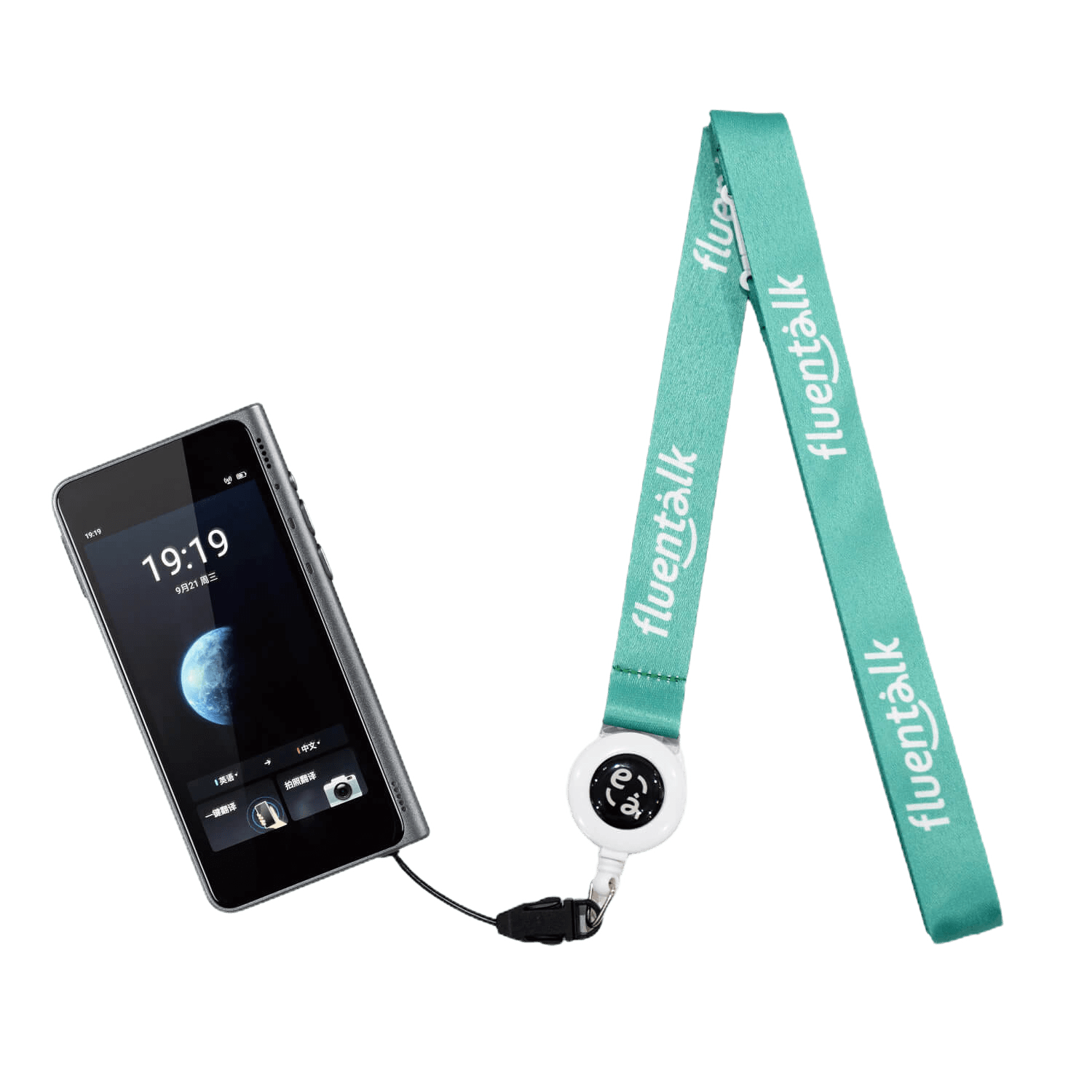
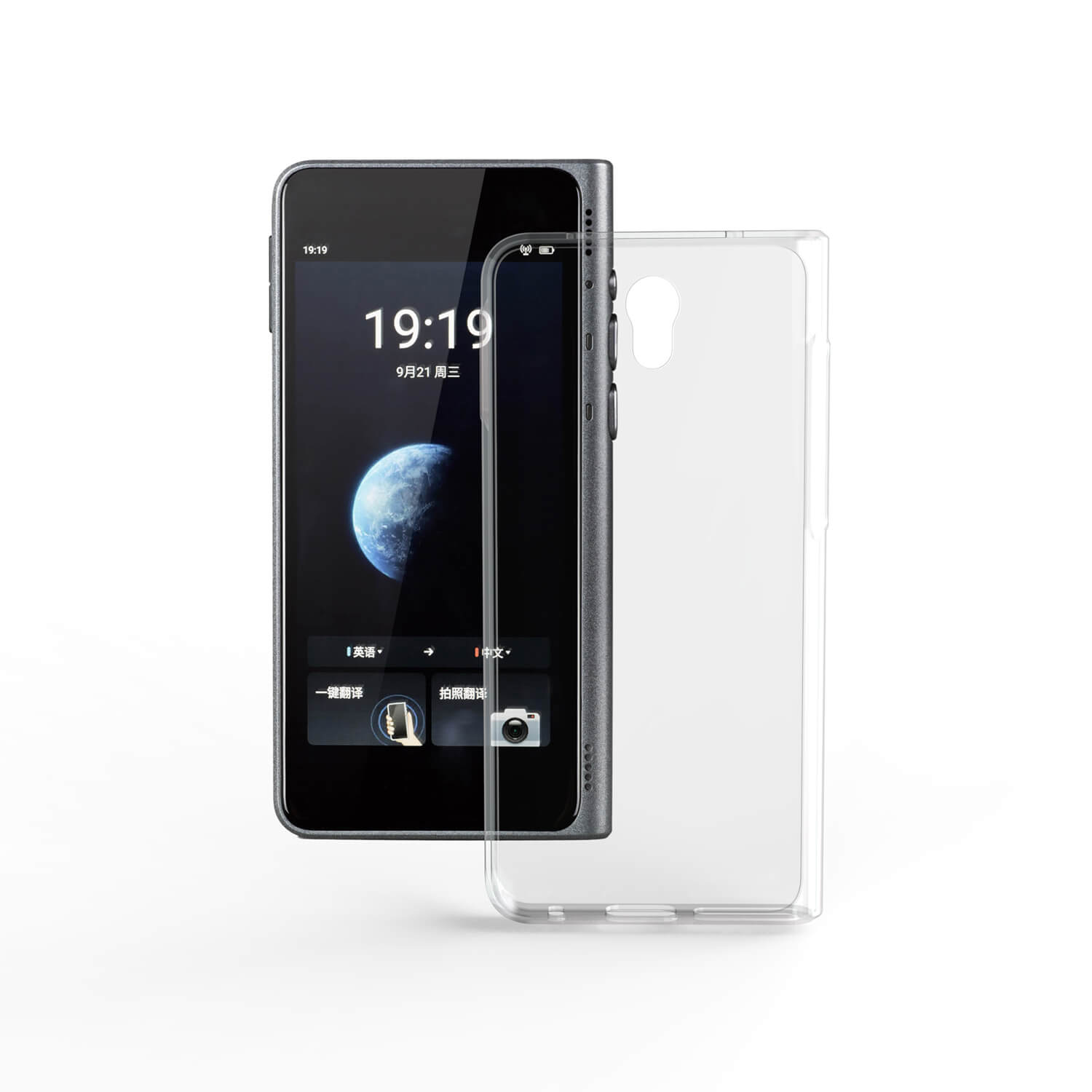
One standout in the best handheld translator 2025 category is the Timekettle New T1. Upgraded in 2025, this compact device looks like a small smartphone but packs serious translation power without needing your phone at all.
What sets the T1 apart?
- Unmatched Offline Capability: New T1 supports 44 offline language pairs, perfect for factories with weak signals or remote sites.
- Smart Network Switching: AI detects signal quality and seamlessly switches between offline and online modes. Plus, it comes with 2 years of free global cellular data, connecting to hundreds of operators worldwide, therefore no Wi-Fi or extra SIM needed.
Key Practical Modes for Work:
- One-Click Translation: Tap and speak for quick back-and-forth.
- Listen Mode: Translates surrounding speech or announcements.
- Chat Translation: Turn-based conversations with on-screen text.
- Photo Translation: Snap signs, labels, manuals, or documents.
Why Frontline Workers and Managers Love the Timekettle T1
So, why recommend the T1 specifically as an offline language translator for workplace use?
First, reliability in tough spots. Multi-microphone arrays and advanced noise reduction ensure clear voice capture, even in noisy environments. Offline mode and built-in data keep translation running when signals are weak or unavailable. Large physical buttons and a responsive touchscreen make the device easy to use, even with gloves on.
Safety boosts are huge. Instant clarification of instructions prevents mishaps. During briefings or emergencies, everyone hears and understands in their language.
Inclusivity matters too. Workers feel valued when communication flows easily, reducing isolation and turnover. It's cost-effective—far cheaper than constant interpreters or lost hours.
Final Thoughts: Invest in Communication for a Stronger Team
Language barriers are not a worker problem, they are a system problem. As frontline teams become more diverse, employers need communication tools designed for real-world conditions.
In-person speech translation, supported by reliable devices like the Timekettle T1, offers a practical path forward. By combining speed, accuracy, and offline stability, it enables clearer communication.
For employers looking to improve safety, efficiency, and inclusion, investing in the right translation tools is no longer optional, it is a strategic advantage.