Real-Time Translation Earbuds: What to Look for in 2026

Real-time translation earbuds are more widely available now. People use them for travel, work, and even everyday chats.
The hard part, however, is to distinguish the quality ones from the mediocre ones. Quality translation earbuds are smooth and predictable, while cheap ones are inefficient and frustrating.
In this blog post, we’ll discuss the qualities that make a translation earbud worth buying and how you can make your investment worth it.
What Real-Time Translation Really Means
Real-time translation in earbuds should feel close to a normal conversation, moving away from the clunky "walkie-talkie" style of the past.
Traditionally, translation devices relied on consecutive interpretation. You would speak a full sentence, stop, wait for the device to translate, and then let the other person respond. While functional, this stop-and-go process is inefficient and kills the natural rhythm of a chat.
Quality translator earbuds aim for simultaneous interpretation. Instead of waiting for you to finish a long paragraph, this system uses AI Semantic Segmentation to split long sentences into smaller, logical chunks. It processes and plays back the translation while you are still speaking.
Found in models like the W4 and X1, this shift allows you to communicate in your own language without awkward delays. The goal is a seamless loop where the technology matches the speed of human interpreters, ensuring the conversation remains natural, effortless, and consistent.
Latency and Conversation Flow

Latency is the delay between your speech and its translated audio.
This delay usually comes from three places. The earbuds may not pick up your voice clearly. The app may slow the process down, or the internet may lag when the translation runs online.
Real conversations are messy. People talk fast. They interrupt and even change topics in the mid-sentence. The earbud software should be capable enough to translate accurately, considering all these pace changes.
That’s why it’s important to get a real demo before buying, because an unscripted conversation shows more than a perfect line translation.
Accuracy, Languages, and Real-World Use
Speed alone doesn’t help much if the translation is wrong. In everyday life, we use different accents, slang, and names that can confuse the translation system. Even background noises can cause problems.
Therefore, it’s important for the earbuds software to be sophisticated enough to recognize all these elements and translate accurately.
Many translation earbuds offer a long list of languages that they translate but it’s rarely useful as no one speaks so many languages. Rather, it should accurately translate the couple of languages that you use most often.
If you’re buying earbuds to travel to a particular destination, your earbuds should translate that language efficiently. If you work in a foreign company, you only need an earbud that works best with that one language.
So, before you buy earbuds, check if they accurately translate the language you work with the most.
Connection and Offline Options

It is important to understand that most translation earbuds are not standalone devices. The vast majority of models on the market must be connected to a mobile phone to function. Even when using offline translation packs, the earbuds typically rely on a phone app to process the language data.
This setup works well for most users, but it means you are tethered to your phone. If your phone runs out of battery or you simply don't want to hand your phone back and forth, earbuds might not be the right tool.
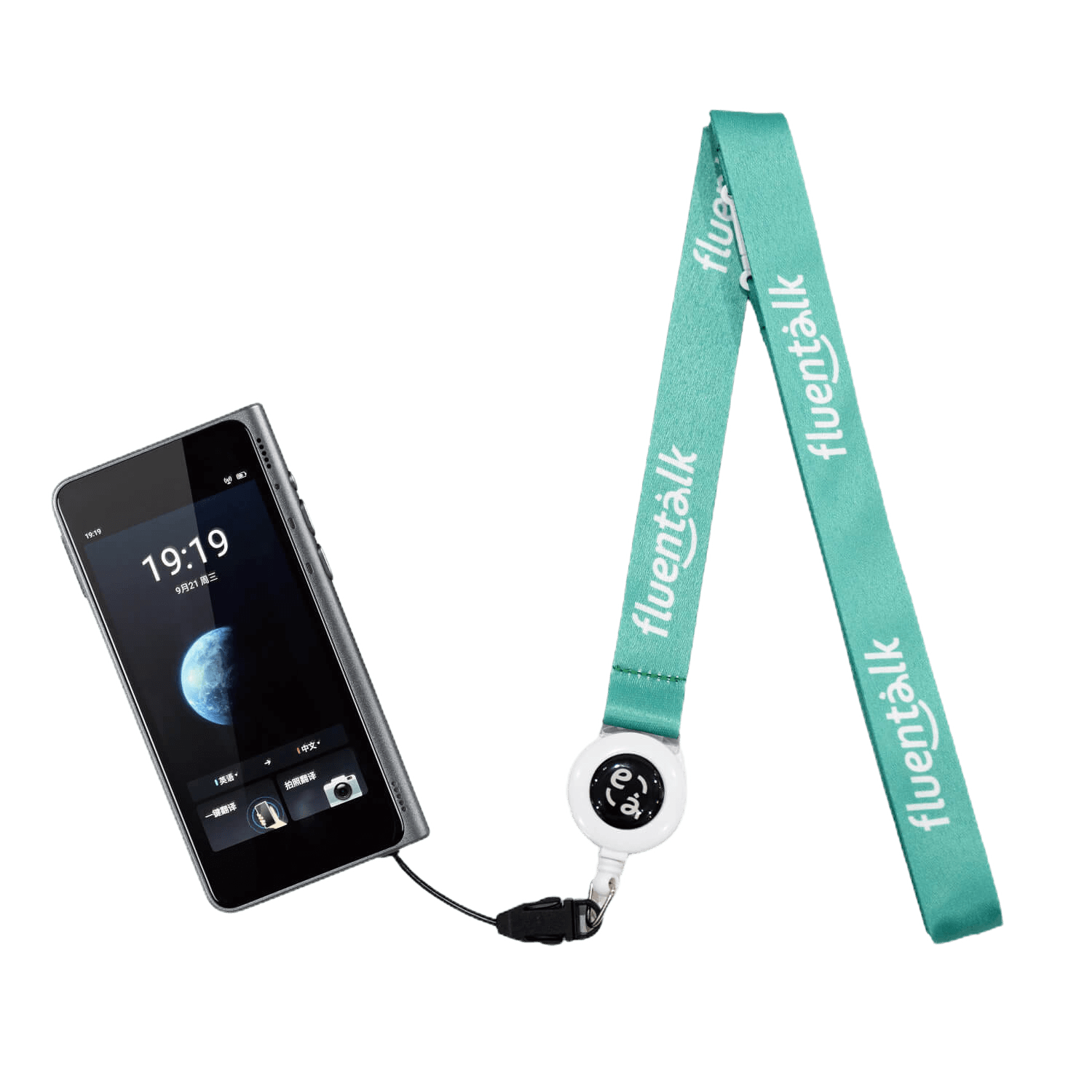
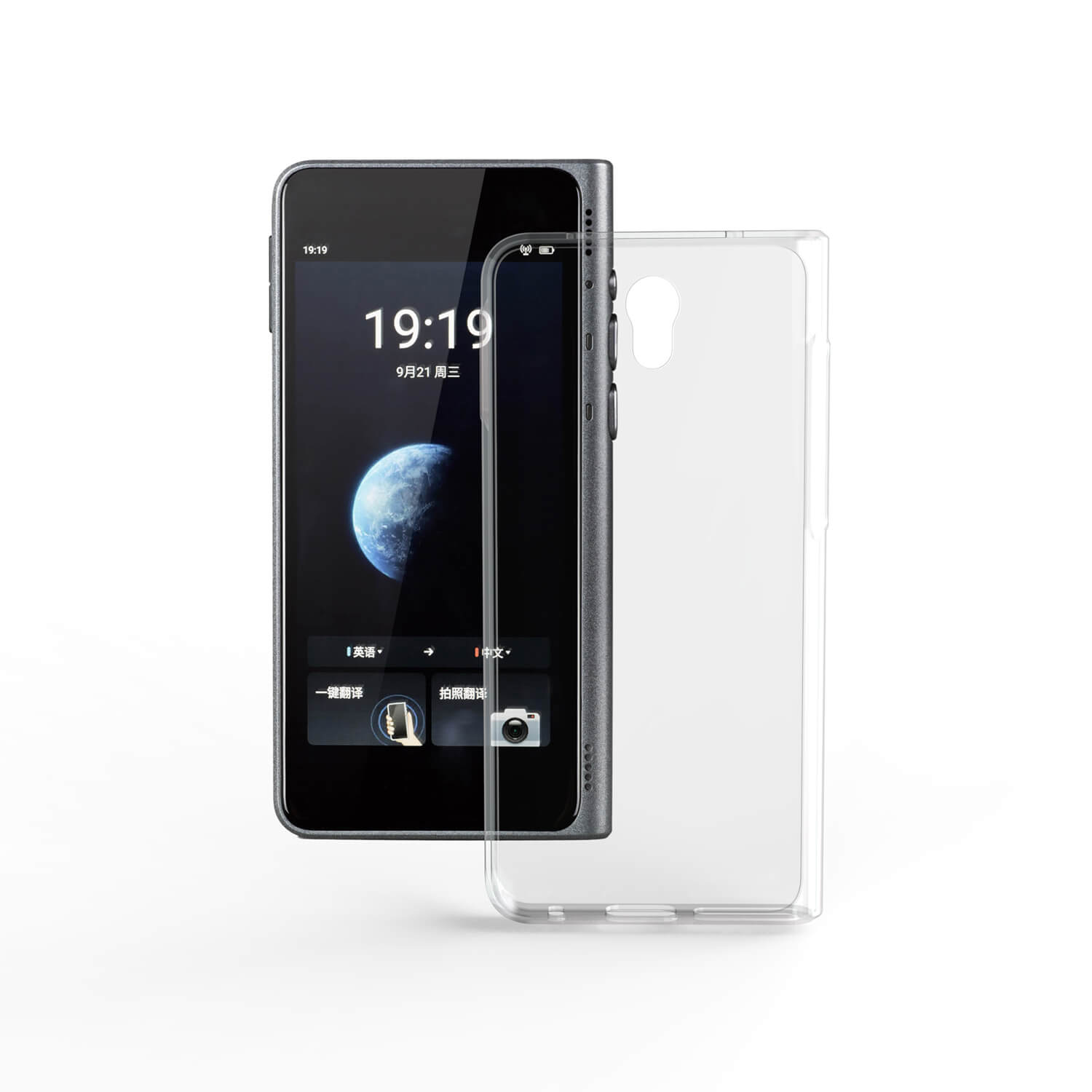
For a completely independent experience, a handheld device is often the better choice. Dedicated translators like the NEW T1 have their own screen and processor, meaning they work entirely on their own without needing a phone connection.
A simple way to judge this is to ask: "Do I want to wear my translator (earbuds + phone), or do I want to carry a separate tool?"
Handling Background Noise
Noise is one of the biggest reasons translation fails, especially in airports, cafés, busy streets, conferences, and job sites. Background noise can blur words and turn a clear sentence into a messy translation.
To address this, Timekettle W4 relies on bone-conduction technology. By using a bone-voiceprint sensor, the earbuds can isolate background noise and capture your voice clearly through jaw vibrations. This distinct input method helps deliver up to 98% translation accuracy, even when the environment is loud.
Comfort and Fit
Fit matters because comfort decides whether you’ll keep the earbuds in. If they press too hard, you’ll take them out mid-conversation. If they feel loose, you’ll keep adjusting them instead of focusing on the talk.
This is especially true for long meetings or travel days. Open-ear designs, like that of the W4 Pro, are often preferred for these scenarios because they reduce ear fatigue and let you stay aware of your surroundings.
If noise and fit are handled well, battery and daily practicality become the next deciding factor.
Battery Life and Everyday Practicality
Translation often drains battery faster than music because the earbuds are listening, processing, and playing audio back.
Brands usually list playback hours. Translation time is the number that matters for real use. A few short chats on a trip is easy. Long talks at work are not.
Daily use also comes down to small details. The charging case matters because it decides how long you can stay away from a wall outlet. Fast top-ups help because you may need a quick charge between conversations.
A phone app also uses phone battery. If your phone dies, the translation session ends even if the earbuds still have charge.
In practice, battery life defines how usable a translator really is. Devices designed for extended translation sessions, paired with fast recharging cases, are far better suited for workdays, meetings, or frontline use than those optimized only for short, casual conversations.
Once the day-to-day side looks good, privacy and cost become easier to judge.
Privacy and Data Handling
Translation can include private details. Names, addresses, work info, and sensitive topics can all come up in speech.
With most real time translation earbuds, audio runs through an app and often an online service. That does not automatically mean it’s unsafe. However, it does mean you should know what happens to the audio.
That’s why it helps to check a few basics before you buy. Look for clear answers on whether conversations are stored, how long data is kept, and whether anything is used to improve models.
A vague policy is a warning sign because you can’t tell what you’re agreeing to. A clear policy makes it easier to decide.
Cost and Value
The sticker price is only part of the cost. Some earbuds charge monthly for features. Other earbuds charge for language packs or higher limits.
That’s why many buyers search for translation earbuds without subscription. People want a clear price and fewer surprises after purchase.
Timekettle positions both W4 and W4 Pro as no-subscription devices, and W4 is marketed with lifetime upgrades. That kind of pricing model is easier to plan around if you expect to use the earbuds often.
Value depends on how often you’ll use the earbuds. If you’ll use them once on a vacation, extra fees may not matter much. However, if you’ll use them every week for travel or work, recurring costs add up quickly.
A simple check is to ask, “What do I get on day one, and what do I have to pay for later?”
Check what’s included upfront, what costs extra later, and what updates you get.
Matching Earbuds to Your Own Use Case
If you travel a lot, translation is rarely used in perfect conditions. You might be in an airport with a bad signal, on a noisy street, or wearing earbuds for most of the day. Offline support matters. Comfort matters. You want something you can rely on without constantly checking your phone or battery.
If you use translation for work, the problem is different. Conversations don’t wait. Meetings move fast, people interrupt each other, and you often need the earbuds to stay in “listening mode” longer, not just translate short back-and-forth phrases. What matters here is whether the translation can keep up without breaking the flow.

For cross-language families, couples, or close friends, translation isn’t about quick tasks at all. It’s about long conversations, such as talking over meals, telling stories, or just staying connected without feeling like you’re “using a tool.” Comfort, stability, and a natural rhythm matter more than any single feature.
Conclusion
Quality translation earbuds feel smooth because they keep the conversation moving. They keep timing steady, they hold up better in noise, and they don’t fall apart the moment your signal changes.
Look for low delay, solid accuracy in the language pairs you use most, offline options when you need them, performance that holds up in noisy places, comfort that lasts, and a cost model you can live with.
If you’d like to compare different Timekettle translation earbuds and see how they’re positioned for different use cases, the product compare pages offer a clearer breakdown.