Are Language Translator Devices Worth It? Pros and Cons Explained

As global travel, international business, and multicultural families become more common, many people are looking for better ways to communicate. A frequent question arises when preparing for a trip or an overseas meeting: Should you buy a dedicated language translator device? After all, most of us already have translation apps on our smartphones. Why spend extra money on a separate gadget?
The truth is that there is no absolute answer. Whether a translator device is worth the investment depends entirely on how often you need it, where you plan to use it, and the quality of the experience you expect.
Starting with Smartphone Apps
Smartphone translation apps have several clear advantages. Most popular options, like Google Translate or Apple Translate, are completely free. They also require no extra equipment, meaning you can travel a bit lighter. For simple, infrequent tasks—like asking for directions or ordering a coffee—a phone app usually gets the job done.
However, relying solely on a smartphone translation app has limitations. In a conversation, you have to constantly pass the phone back and forth, which breaks the natural rhythm of chatting. Furthermore, smartphone microphones are not designed to filter out heavy background noise, often leading to poor translation accuracy in busy streets or crowded restaurants. When the network is unstable or there is no signal, compared with professional translation devices, offline translation accuracy of apps drops. Finally, phone apps generally cannot translate live phone calls or video meetings effectively. While these issues might seem minor for a quick vacation, they become major obstacles in professional or frequent travel situations.
The Advantage of Language Translator Devices

Language translation devices exist to solve the exact problems that phone apps create. Their primary benefit is the conversation experience. Instead of staring at a screen, you can maintain eye contact and talk naturally.
For instance, dedicated translation earbuds use a shared design. The Timekettle W4 Pro features a one-on-one mode where two people each wear one earbud. You can both speak and hear translations at the same time, keeping your hands free and the conversation flowing smoothly.
These devices also handle remote communication much better. A standard app cannot easily translate a Zoom call or a standard phone call. Dedicated tools offer specific modes for this. The W4 Pro includes Foreign Calls Translation and Online Meeting Translation, ensuring that the person on the other end of the line hears the translated content clearly, without needing any special software themselves.
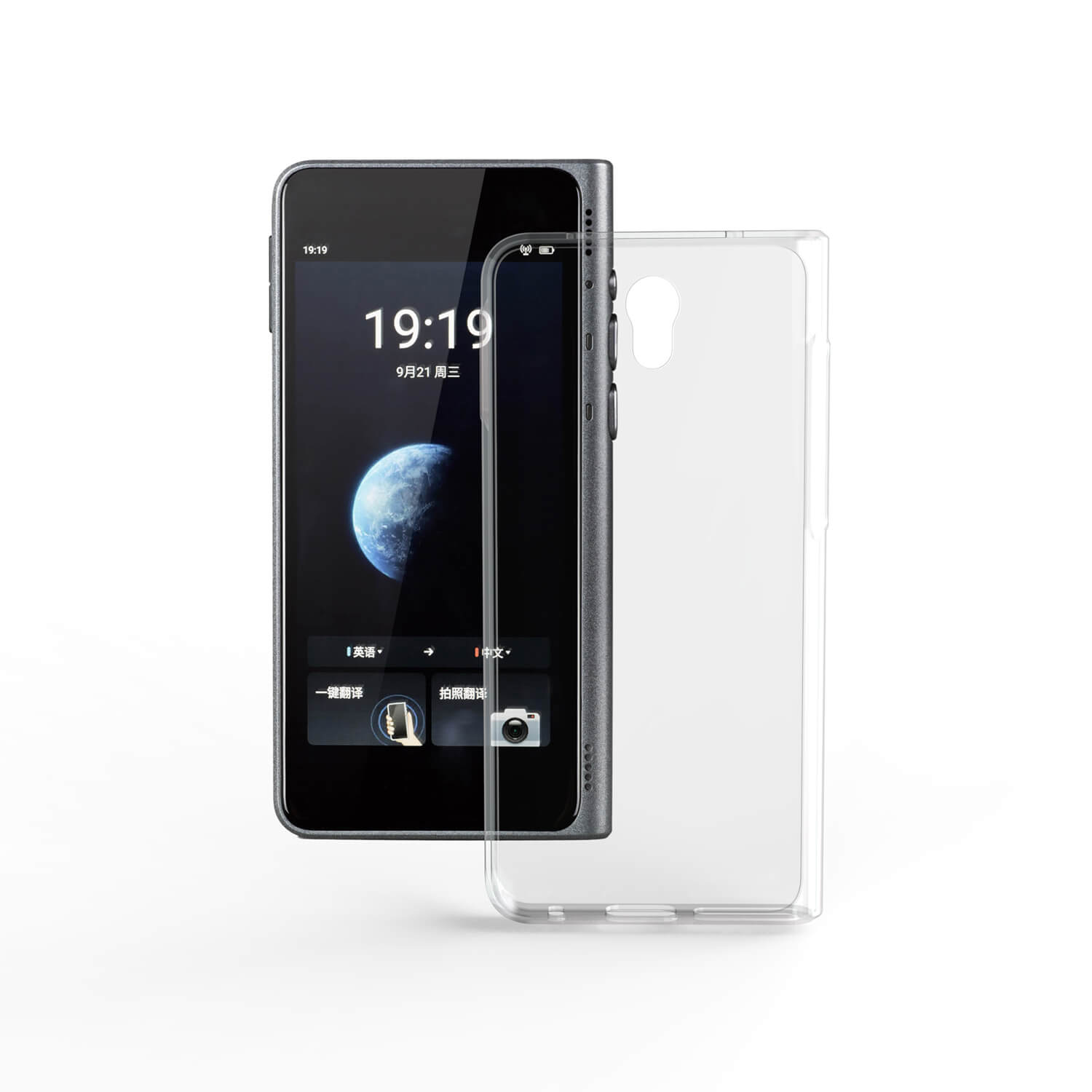
Connectivity is another major advantage. While apps struggle without internet, dedicated devices process language through advanced local AI models. The Timekettle W4 Pro supports 13 offline language pairs, and the Timekettle New T1 handheld device supports up to 44 offline language pairs. This covers major languages like Spanish, French, German, Japanese, and Chinese, keeping you connected even in remote areas.

Audio clarity also sets these devices apart. Phone microphones easily capture unwanted background sounds. Dedicated devices use advanced hardware to isolate your voice. The W4 Pro uses CVC technology and 3-Mic Voice Reduce to work together to pick up exactly what you say.
Battery life and professional features add even more value. Using a separate device means your phone battery stays fully charged for other tasks. The W4 Pro offers up to 6 hours of continuous translation on a single charge, and the included charging case provides enough power for an entire day.
For business users, features like a Personal Glossary allow you to save specific medical or legal terms, while the AI Memo function automatically generates helpful meeting notes.
The Downsides to Consider
Despite their benefits, dedicated translation devices do have a few drawbacks. The most obvious is the extra cost. Prices generally range from a hundred to several hundred dollars. For users who rarely need translation, this could be somewhat of a waste.
You also have to carry an extra item. Even though modern translators are very compact, minimalist travelers might prefer to rely strictly on their phones to save pocket space.
It is also important to note that technology still has limits. While accuracy is generally very high for major languages, highly niche dialects or extremely heavy accents can still result in occasional errors. Finally, these devices are not necessary for everyone. If you travel once a year and stick to areas where you already speak the local language, your smartphone is likely enough.
Who Will Find the Investment Worth It?
Frequent travelers who visit non-English-speaking regions multiple times a year will appreciate the offline capabilities and ease of use.
Business professionals who regularly communicate with international clients or manage cross-border teams will find that the phone and remote meeting translation features eliminate language barriers in daily work.
Additionally, multicultural families greatly benefit from these tools. When grandparents and grandchildren do not share a common language, a dedicated device removes the awkwardness of a phone app and helps families build genuine, everyday connections.
Finding the Right Fit
Translation devices are not a strict necessity for everyone, but they are a powerful tool for those who need them. The efficiency and comfort they bring often far outweigh their initial cost for high-frequency users.
Before making a purchase, assess your personal needs. If you only face a language barrier once or twice a month, a free smartphone app is probably fine. However, if cross-language communication is a regular part of your weekly life or business, investing in a dedicated device is a smart choice that will greatly improve your global interactions.